Earth Day: Blurring the Line Between Nature and the Built World
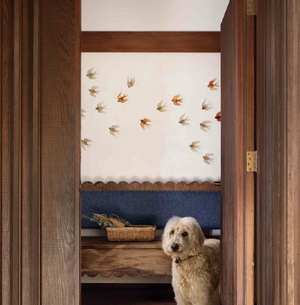
Big Sur: Field Architecture, Hunt Brothers Construction, Dowbuilt, Joni Janecki & Associates; Photographer, Joe Fletcher
Spring is upon us, and we celebrate Earth Day on April 22nd, drawing inspiration from built spaces that integrate into the native surroundings. Preserving and enhancing California's natural beauty is a strong value for many Bay Area-based architecture and design firms. The design community draws on environmental knowledge and adopts more sustainable practices, building in response to the threat of climate change. Whether it's reducing carbon emissions or designing a home's material palette around native plants and elements, it's about blurring the line between nature and the built world.
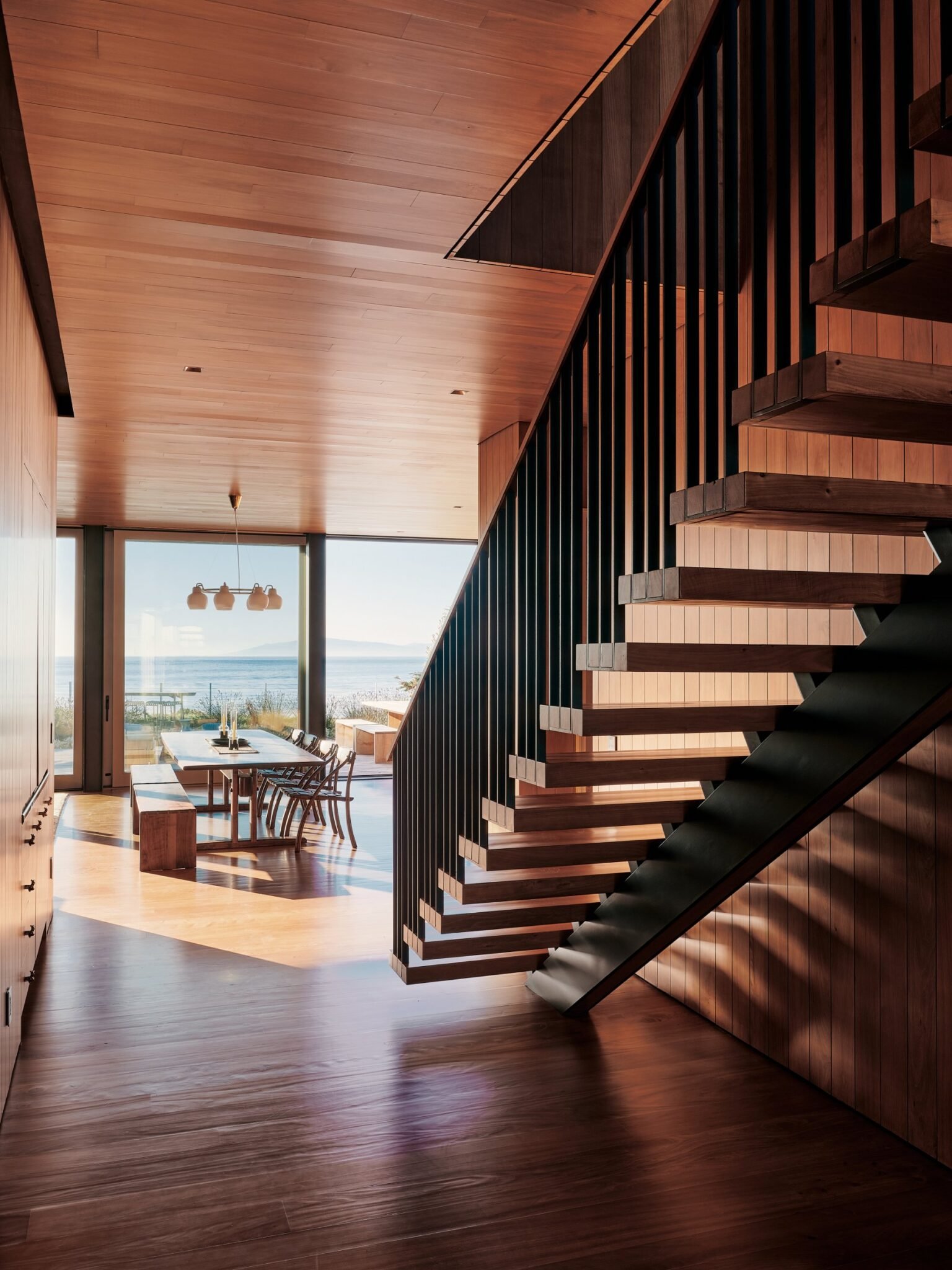
Surf House: Feldman Architecture, Commune Design, RJL Construction, Ground Studio Landscape Architecture; Photographer, Joe Fletcher
San Francisco architecture firm Feldman Architecture prides itself on focusing on decarbonization and regenerative design. Their spaces meld both aesthetically and practically with their surroundings. One of Feldman's earlier projects, Surf House in Santa Cruz, California, was their first electric, net-zero energy home. The ocean-facing residence is composed of reclaimed and repurposed Native Californian timber. The team also reduced waste by utilizing every level of wood grade throughout the home.
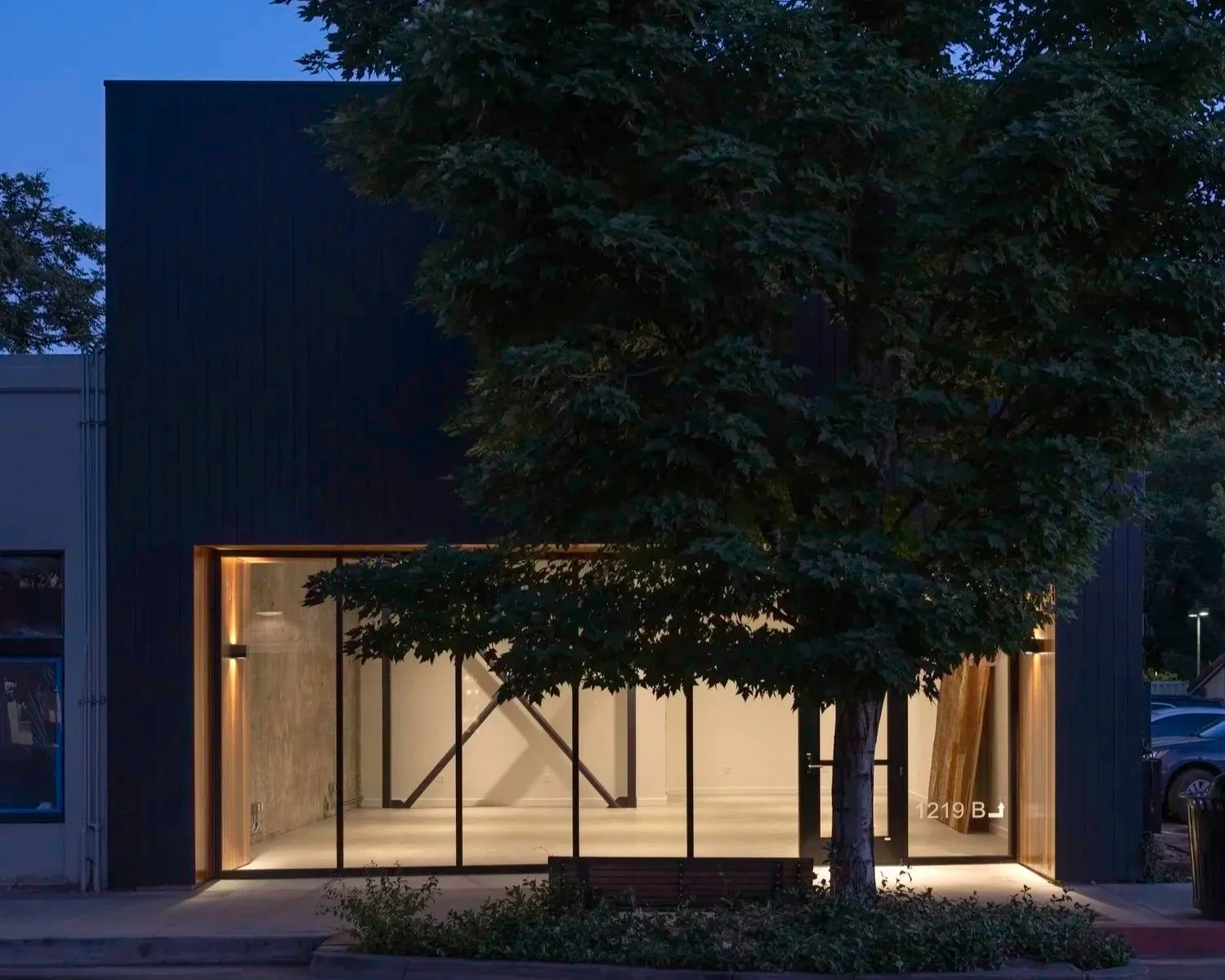
Washington Street: AJ-A, Wright Residential, Banks Landl; Photographer, Douglas Sterling
When not designing ground-up builds, architect Alexander Jermyn of Berkeley-based AJ-A practices adaptive reuse, repurposing existing structures. For a 2,000-square-foot building in downtown Calistoga, dating from 1925, the team preserved the century-old concrete walls and redwood trusses, mitigating waste and resource extraction. They converted the former hair salon into a 1,500-square-foot leasable commercial space in the front and a 500-square-foot residential unit in the rear. Skylights now harvest natural light in the formerly dark space.
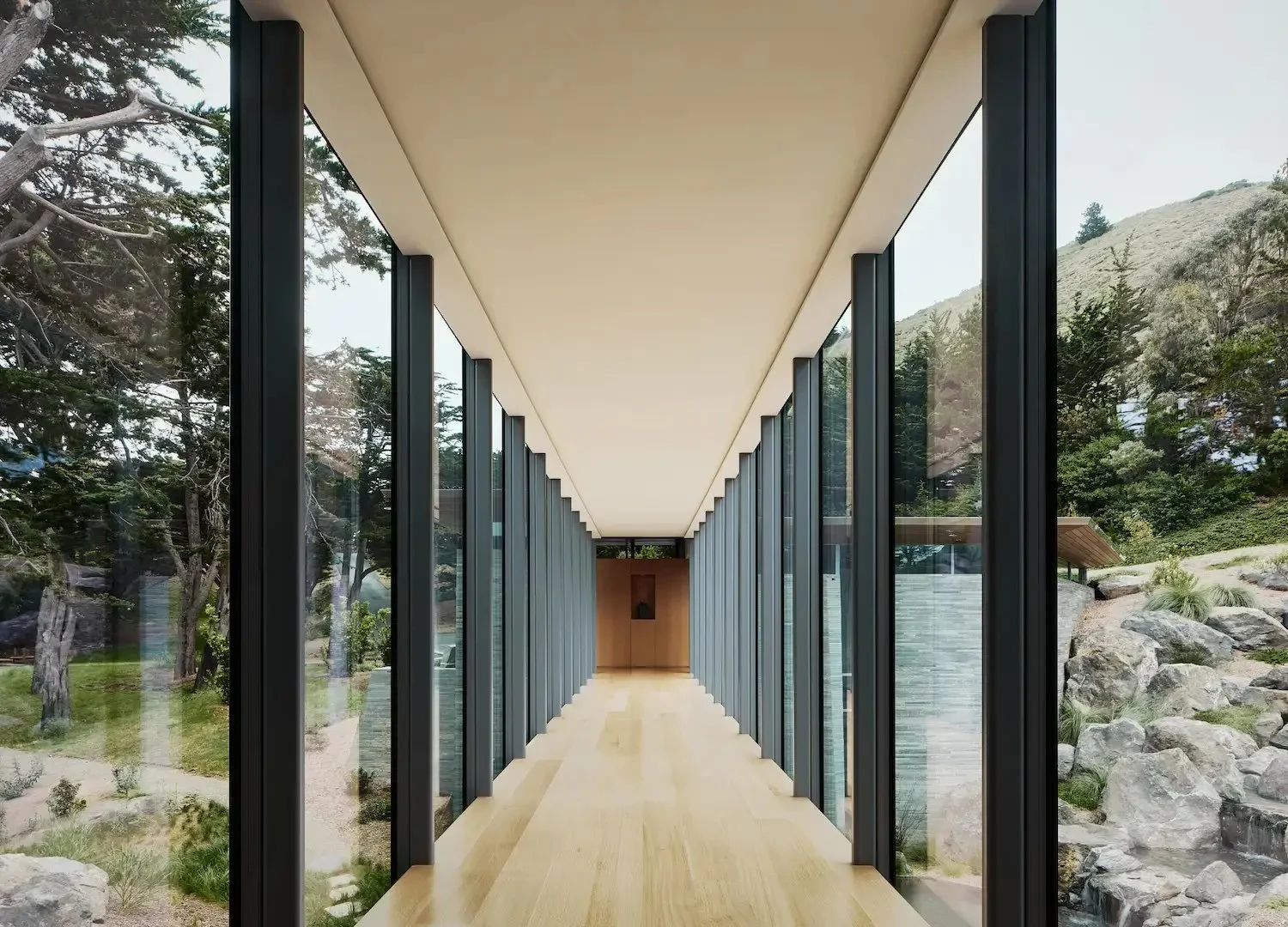
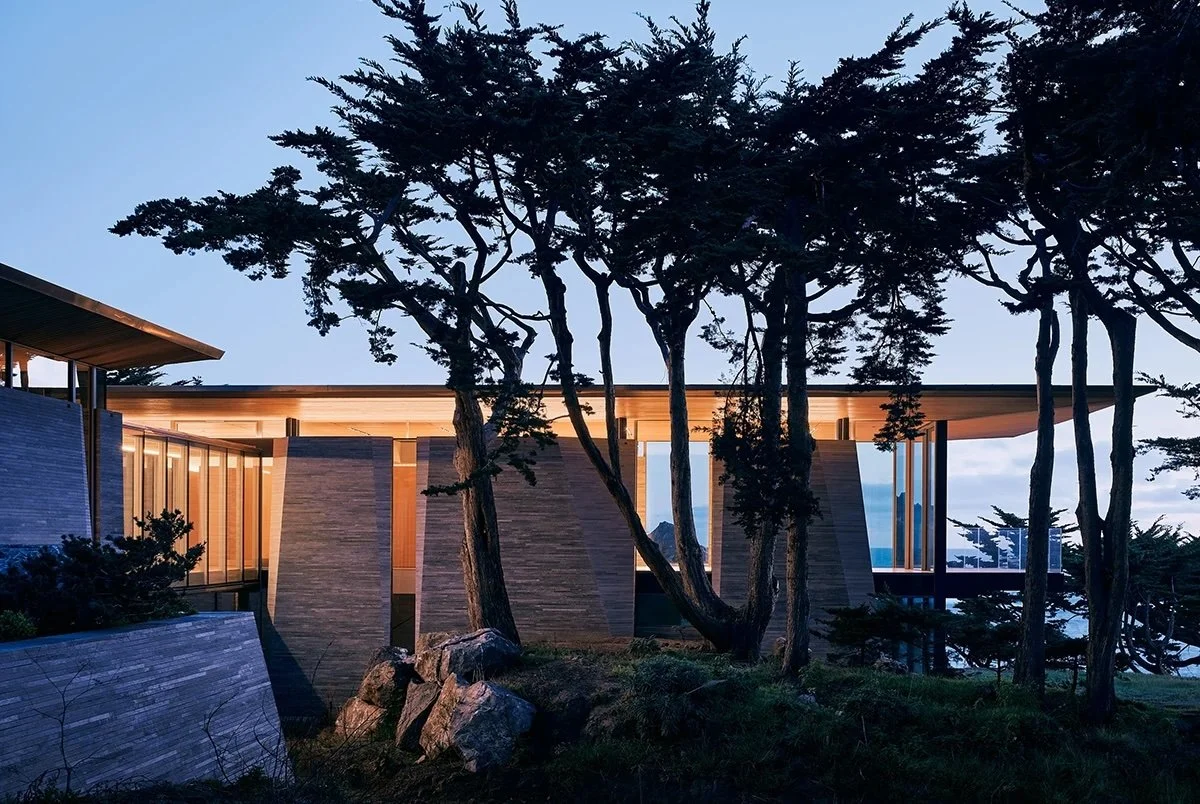
Big Sur: Field Architecture, Hunt Brothers Construction, Dowbuilt, Joni Janecki & Associates; Photographer, Joe Fletcher
Nature is an integral part of Field Architecture's creative process. When beginning a new project, the Palo Alto-based firm starts with the land. They explore a site's history, context, and resources, melding their architecture with the landscape and environment. For a residence in Big Sur, overlooking the dramatic Pacific Ocean and surrounded by rugged cliff faces, inspiration came from a grand ravine on the property that had filled over time. Field restored the ravine's ecological function as a seasonal waterway and traversed the crevasse, with a glass-enclosed bridge.