Building a Legacy: Architect Julia Morgan

Image: Julia Morgan drawing for Berkeley Women's City Club, 1927
My buildings will be my legacy... they will speak for me long after I'm gone.--Julia Morgan
COUPAR's Marketing client, Alward Construction, is currently working on the restoration and rehabilitation of the John Galen Howard House with Denise Hall Montgomery Architecture. Howard designed the landmark First Bay Tradition home in 1912. His protégé, the legendary Bay Area architect and engineer Julia Morgan, added a library and stairway addition in 1927. Morgan's buildings etch the California landscape, ranging from the rustic Arts and Crafts splendor of Asilomar Conference Grounds to the opulent Mediterranean Revival mansion, Hearst Castle. COUPAR profiles Morgan and her legacy in honor of Women's History Month.
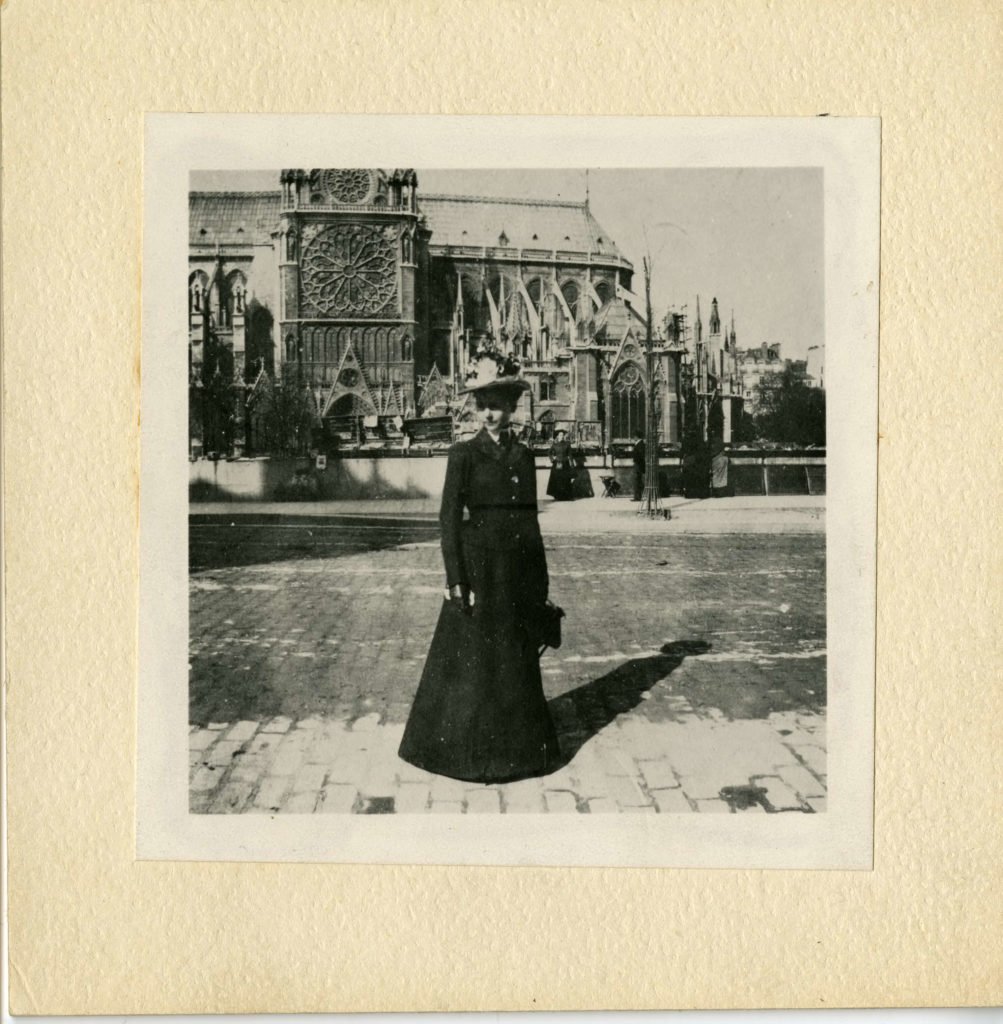
Image: Julia Morgan in Paris, 1898
As the first certified female architect in California, the respectful renegade designed more than 700 buildings throughout her 47-year career. Morgan, a native San Franciscan born in 1872 and raised in Oakland, grew up affluent and chose education over debutante balls. Because there was no architectural program at nearby Berkeley's University of California, she studied civil engineering. At Berkeley, she met architect Bernard Maybeck, who taught Morgan and her classmates Arthur Brown, Jr., Edward H. Bennett, and Lewis P. Hobart architecture. The charismatic Maybeck encouraged his students to study at France's prestigious École nationale supérieure des Beaux-Arts.
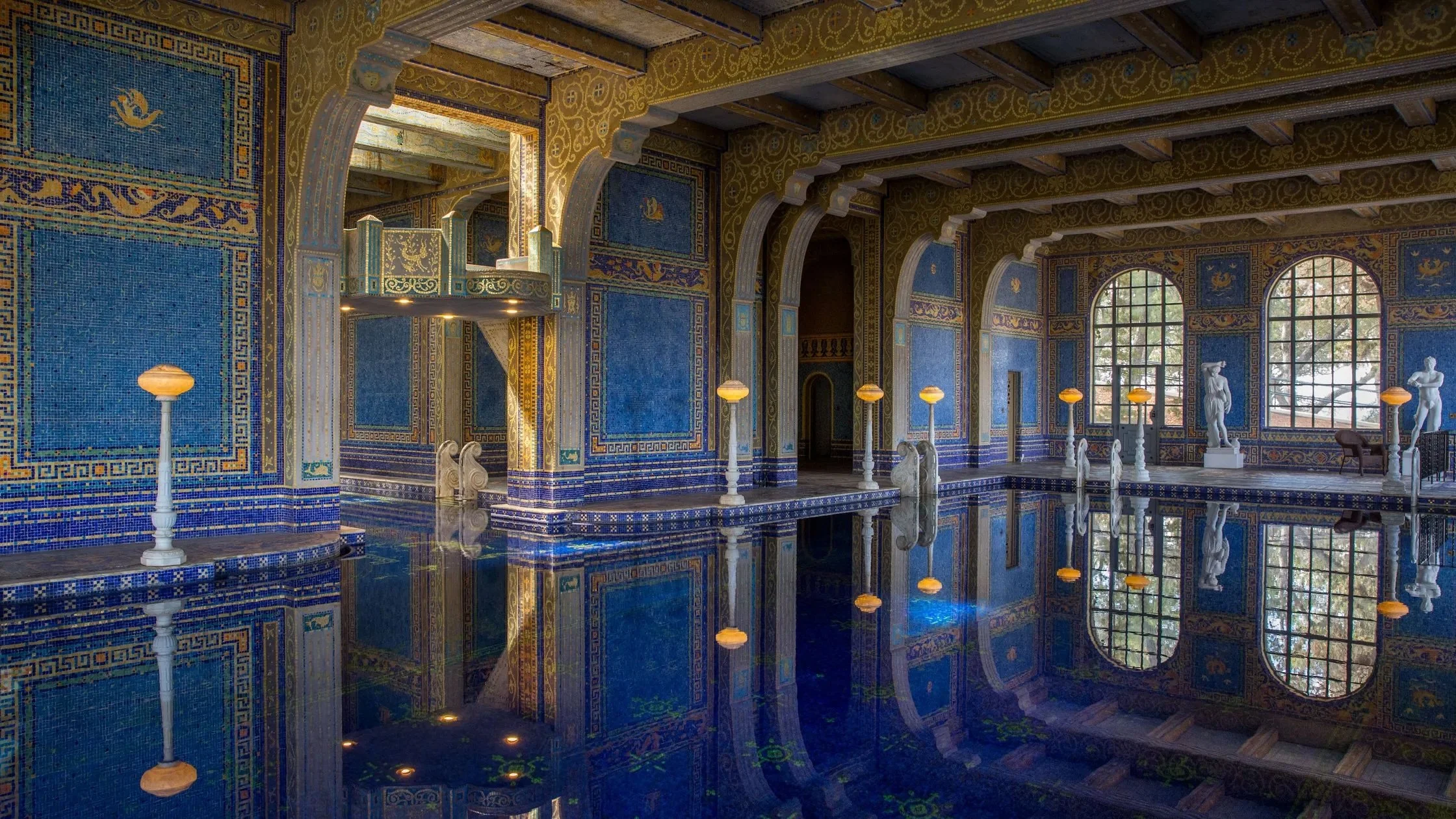
Image: Hearst Castle, The Roman Bath with murals by Camille Solon
Although the architecture school had never admitted a woman, Morgan traveled to Paris to prepare for the Beaux-Arts entrance exam. She passed and, at 26, became the first woman to do so. The San Francisco Examiner celebrated her achievement with the headline, "California Girl Wins High Honor." Upon graduating in 1902, Morgan returned to the Bay Area. She worked for Howard, the Supervising Architect of the Berkeley campus, before opening her independent practice in 1904. Along with her substantial projects for the Hearst family, her legacy includes numerous public and private structures that benefit women and girls.